If you have owned a Mazda with a rotary engine for more than a weekend, you already know the feeling. Something breaks, or maybe it just stops running the way it used to, and you start looking for parts. You call a few general wreckers, and they either say "we don't pull those" or they offer you a part from a piston car that sort of fits. That is when you learn that a rotary engine is not just a different shape. It is a different machine altogether, and it needs a different kind of supplier.
That supplier is a rotary-only wrecker. These operations exist specifically for Mazda's eccentric design. They do not handle Toyotas or Fords. They do not carry bins of common piston parts. They deal exclusively in the side-housing, the rotor, the spark plug threads that strip if you look at them wrong, and the oil injector lines that clog when a car sits too long. A general wrecker might have one or two RX-7s in the back lot, but a rotary-only wrecker builds its entire inventory around dismantled rotary-powered Mazdas. That focus changes everything about how you source parts.
What Makes a Rotary Engine Different
The rotary engine, developed and refined at the Hiroshima plant and championed by Mazda Japan for decades, uses a three-sided rotor instead of pistons. That means the crankshaft turns in a completely different way. The intake and exhaust timing depend on ports cut into the housing, not on valves. The synchronised carburetor on older models has to be set just right, or the engine runs unevenly. Even the turbocharger setup on the RX-7 feels unique because the exhaust pulse from a rotary is not the same as from a piston engine. You cannot swap a turbo from a Subaru onto a 13B and expect it to work the same.
Because of these differences, the used parts that come from a rotary-only wrecker are not just pulled from a car and thrown on a shelf. They are inspected with the rotary's quirks in mind. A wrecker that specialises in these engines knows that the oil injector on a late-model RENESIS engine has a different spray pattern than the one on an early 12A. They know that the intercooler from a 1993 RX-7 will not bolt onto a 1986 model without new brackets. They have seen the same failure points a hundred times, so they can tell you which parts are worth buying and which are better left on the scrap pile.
Parts You Cannot Find Anywhere Else
Some components are nearly impossible to source through normal channels. The spark plug wells on a 13B are an example. They are shallow and easy to cross-thread, and once they are damaged, the housing is usually junk unless you find a good used one. A rotary-only wrecker in Melbourne might have five or six housings on the rack, each tagged with the mileage and the condition of the threads. That is the kind of detail you need when you are rebuilding an engine and you do not want to start over because a thread is stripped.
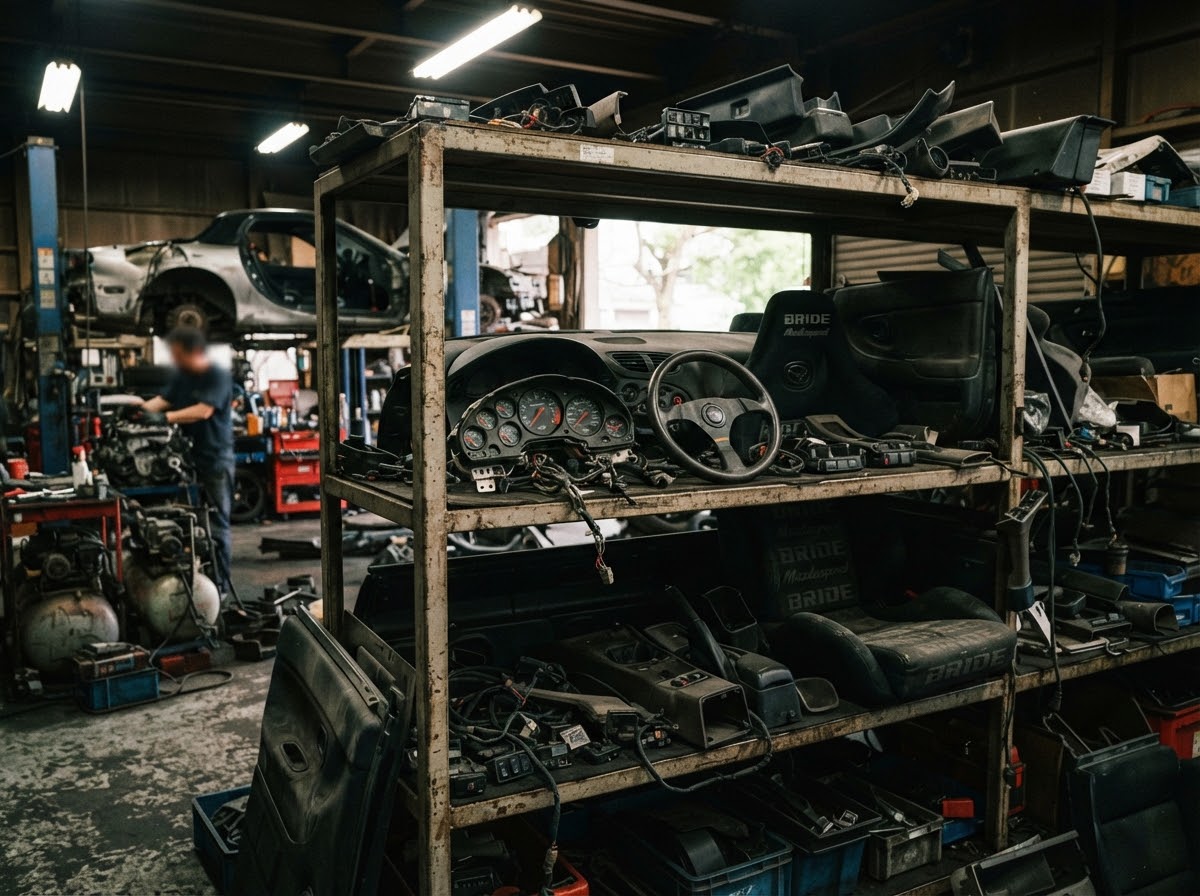
The same goes for the crankshaft. On a rotary, the crankshaft is short and stout, but it still wears at the journals and the gear that drives the oil pump. A general wrecker might not even know that the oil pump drive gear is a weak point. A specialist knows to check it before selling the shaft. That kind of knowledge comes from handling nothing but rotary engines, day after day.
The Wrecking Yard as a Resource
An automotive salvage operation that focuses on one brand, and one engine type within that brand, becomes more than just a pile of used parts. It becomes a reference library. When you walk into a rotary-only wrecker, the people there have likely already torn down a dozen RX-8s and twenty RX-7s and maybe a Eunos Cosmo or two. They have seen the differences between a Japanese-market car and an Australian-delivered model. They know that the RWD layout of the RX-8 means the driveshaft is different from the RX-7, even though both use a rotary engine.
That kind of hands-on experience saves time. Instead of guessing which part number fits your car, you can describe the problem and get a straight answer. "The turbocharger on my 1995 RX-7 is making a scraping sound, and I think the bearings are gone." The wrecker might say, "We have a good used one from a 1993, but you will need to swap the actuator because the calibration changed." That is the kind of detail that keeps a rebuild from turning into a nightmare.
Why Location Matters
Melbourne has a strong car culture, and rotary engines have a loyal following here. But shipping a heavy part like a crankshaft or a complete cylinder head across the country is expensive and risky. A local rotary-only wrecker means you can inspect the part in person, or at least talk to someone who pulled it themselves. You can ask about the mileage, the service history, and the reason the car was scrapped. Was it a blown turbocharger? Did it run out of oil and seize? Was it a cosmetic write-off with a good engine? Those details matter when you are buying a used part that has to last another hundred thousand kilometres.
Being able to visit the wrecking yard also gives you a chance to pull parts yourself. Some people prefer to grab the intercooler and the associated piping in one trip, rather than ordering online and hoping the seller packed everything correctly. A specialist yard usually has the cars laid out in a way that makes sense. The RWD models are grouped together. The turbo models are separated from the non-turbo ones. It is a system built on experience, not just convenience.
The Rebuild Reality
Rebuilding a rotary engine is not like rebuilding a piston engine. The clearances are different, the seal materials are different, and the housing wear patterns are unique. If you are planning a rebuild, you need more than just a parts list. You need access to good used cores that have not been overheated or damaged by a failed oil injector. A rotary-only wrecker can supply those cores, and they can often tell you which ones are worth rebuilding and which are better used for parts.
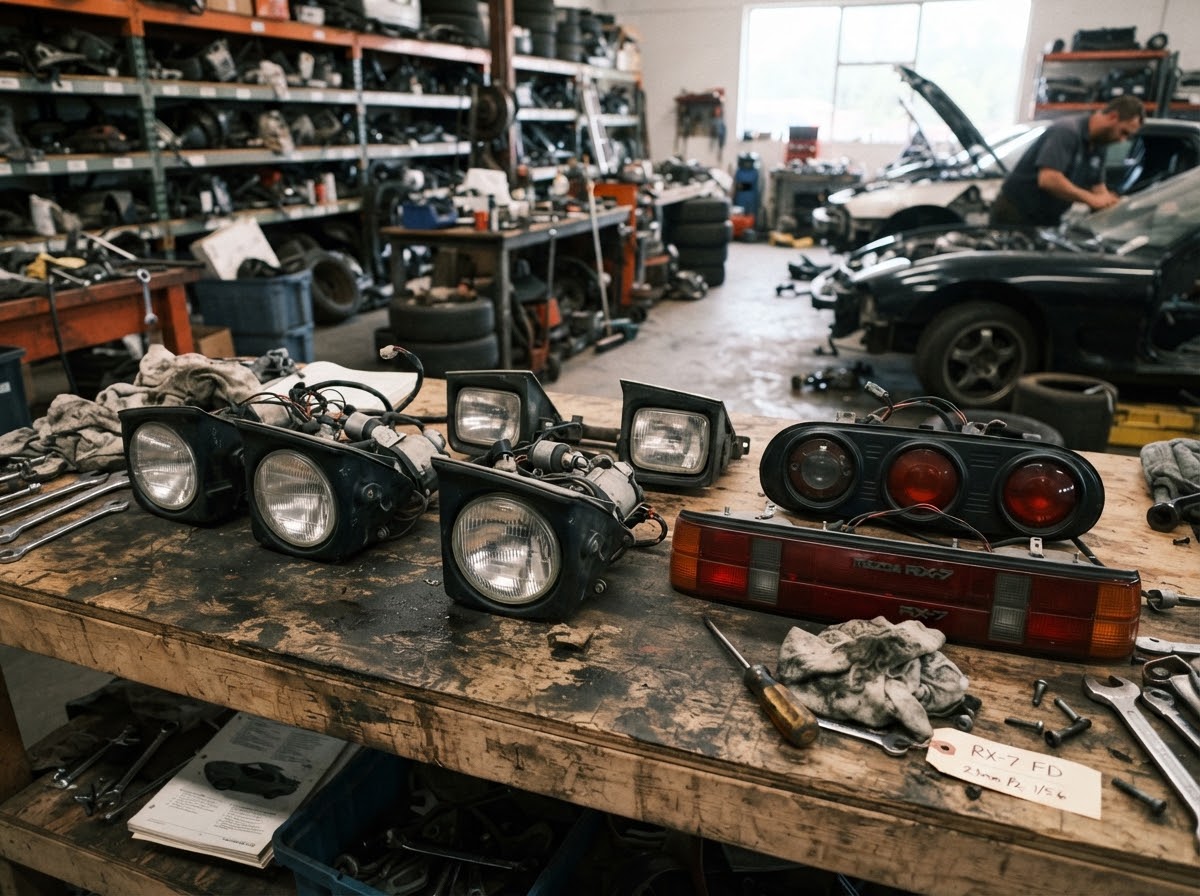
For example, a used rotor from an RX-8 RENESIS engine is a different casting than the rotor from an earlier 13B. They look similar, but the weight and the apex seal groove dimensions are not the same. A specialist knows that. They will not sell you the wrong rotor just to clear inventory. They would rather sell the right part and have you come back for the next thing you need.
When the Car Is Beyond Repair
Sometimes you buy a Mazda rotary car that is too far gone to save. The body is rusted, the wiring is chewed, and the engine is seized. That is when a rotary-only wrecker becomes a buyer. They will take the whole car, strip it down, and put every usable component into inventory. The synchronised carburetor off a 1985 RX-7 might end up on a shelf next to the oil injector from a 2004 RX-8. The turbocharger that still spins freely gets tested and listed. The spark plugs get cleaned and sorted by heat range.
This cycle keeps good parts in circulation. Without a dedicated rotary-only wrecker, those parts would end up in a crusher or on a general scrap pile where nobody knows what they are. The specialist yard is the reason you can still find a decent side housing for a 1978 model, or a complete intercooler setup for a late-model RX-7, without waiting months for a shipment from overseas.
What to Look For
If you are looking for a rotary-only wrecker, there are a few things to check. Do they stock parts for multiple generations of the rotary engine, or only the most common ones? Do they have a physical yard you can visit, or do they operate entirely online? Can they tell you the mileage and the source of each part? The best ones keep records and can answer questions about the car the part came from. That level of detail is rare in general automotive salvage, but it is standard in a specialist operation.
Another thing to consider is whether they understand the difference between a turbo and a non-turbo engine. The turbocharger, the intercooler, the oil injector, and even the spark plug heat range change between the two. A wrecker that stocks both types should be able to tell you which is which without looking it up. That kind of knowledge only comes from handling these engines every day.
Final Thoughts
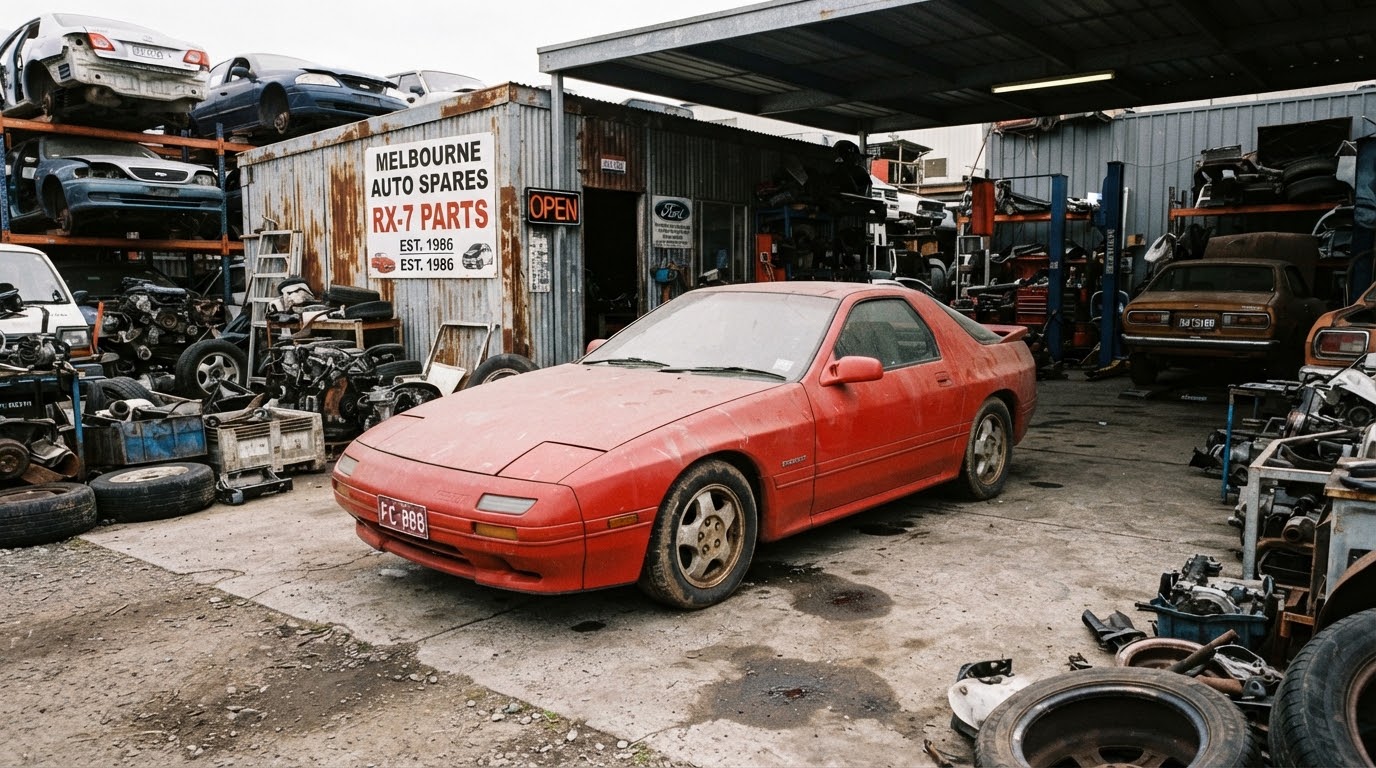
Owning a Mazda with a rotary engine is a choice. It is not the easiest path, but it is one of the most rewarding when the engine is running right. A rotary-only wrecker makes that path a little smoother. Instead of chasing parts across forums and hoping a seller knows what they have, you get a single source that understands the hardware. The used parts are inspected, the knowledge is real, and the support is specific to your engine. That is hard to find anywhere else.
Whether you are building a high-power RX-7, restoring a Eunos Cosmo, or keeping an RX-8 on the road, the right parts come from a place that lives and breathes the rotary engine. That is the value of a specialist. That is the value of a rotary-only wrecker.